In modern football, the role of the winger has evolved significantly. One of the latest developments in this position is the emergence of the inverted winger. The inverted winger is a player who operates on the opposite side of their natural foot and cuts inside towards the center of the pitch.
This tactic has become increasingly popular, and many teams use it as a strategic tool to create opportunities and score goals.
The inverted winger is an offensive player who can provide a unique attacking threat, and their role is different from traditional wingers. Traditional wingers are usually right-footed and play on the right wing or left-footed and play on the left wing. Their primary role is to stay wide, hug the touchline, and provide crosses into the box.
The inverted winger is a player who likes to come inside towards the center of the pitch and operate in a more central position. They have the ability to cut inside, take on defenders, and create scoring opportunities for themselves or their teammates. They are also capable of quickly combining with their teammates, playing through balls, and taking shots from distance.
One of the benefits of having an inverted winger is that it can create space for other players to exploit. When the winger cuts inside, it can draw the opposition’s fullback and center-backs out of position, leaving space for other attackers to exploit. This can create overloads in the central areas of the pitch, making it easier for the attacking team to penetrate the opposition’s defence.
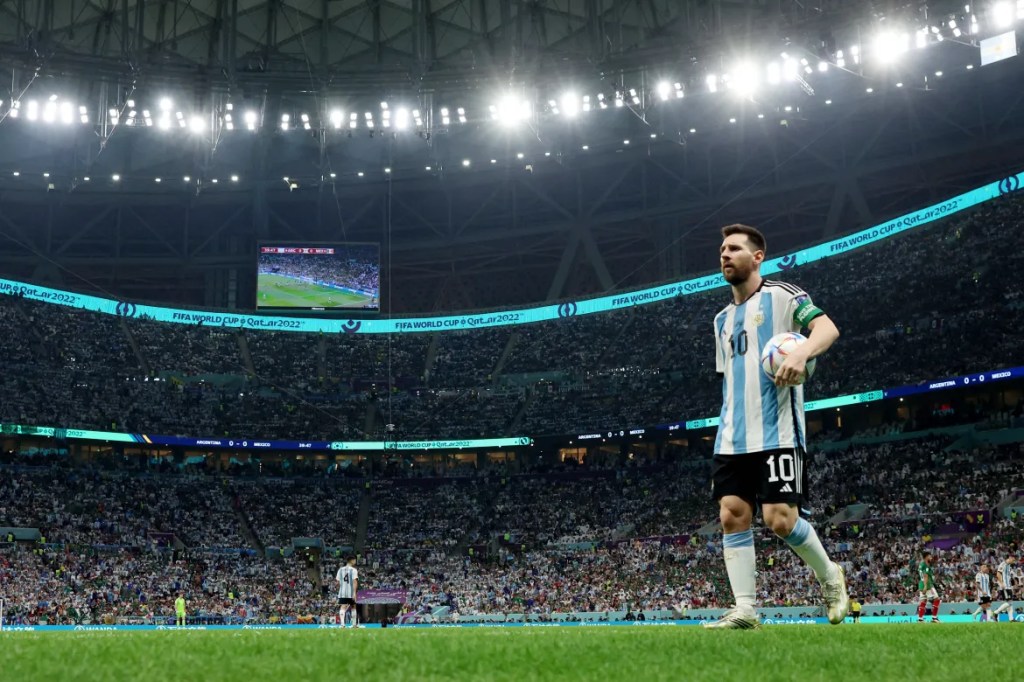
One of the best examples of an inverted winger is Lionel Messi. Despite being left-footed, Messi often plays on the right-wing for his club and national team, cutting inside and wreaking havoc in central areas. He has scored numerous goals for Barcelona/PSG and Argentina by cutting inside from the right and taking shots with his left foot. His ability to drift inside and create scoring opportunities has been instrumental in Barcelona’s success in recent years.
The inverted winger’s role requires a player with a specific set of attributes. They must be quick, agile, and have good close control of the ball. They should also have excellent dribbling skills, vision, and passing ability. It is also essential that they have the tactical awareness to know when to come inside and when to stay wide.
In conclusion, the inverted winger is a relatively new tactical development in modern football that has proved to be very effective. It is a role that requires a player with specific attributes and skills, but when utilized correctly, it can create opportunities and goals for their team. It is a versatile tactic that can be used to exploit different formations and defensive setups. As the game continues to evolve, the role of the inverted winger will undoubtedly become even more critical in modern football.
Scott Rogers
 Coach Talk